

Reunion
Loss, Love, Hugs and Snowdrops

Mr Ren stood by his car, arms firmly by his sides, bracing himself for what we fondly referred to as a “Rita hug”.
My Mum, Rita, walked toward him, whispering to herself over and over, “Must not hug Mr Ren. Must not hug Mr Ren.” Yesterday’s enthusiastic embrace had been well outside his cultural comfort zone.
This time, they both managed to avoid the hug—and from that moment on, they became firm friends for the rest of the trip.
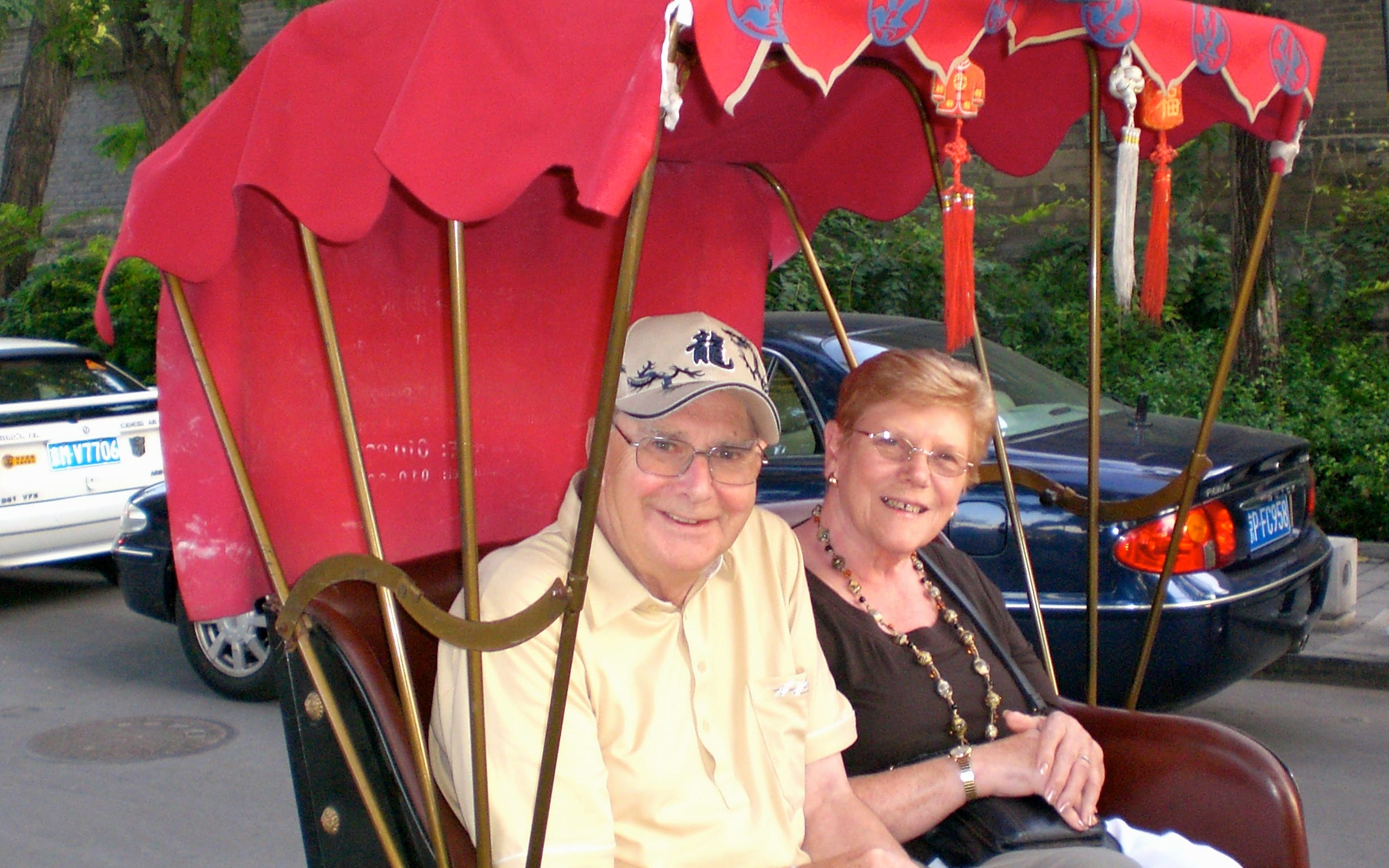
My Mum was a hugger—and a really good one. The day we arrived in Beijing to visit my sister, Rita was overwhelmed with joy and, in true Rita fashion, didn’t just hug Carol… she hugged Mr Ren too. He was Carol’s driver—polite, professional, and utterly unprepared for a full-body British hug.
“Mum,” Carol whispered through clenched teeth, “Mr Ren will need therapy now. That’s not what you do here!”
It was just one of those classic Mum moments—heartfelt, well-intentioned, and spontaneous.
I miss her hugs.
One month later, over fifteen years ago now, my beautiful Mum died following a short and unexpected illness. The pain and shock was acute. Like many families, we pulled together. We looked after each other and found a way to carry on.
That makes it sound easy. It wasn’t.
It was messy, painful, numbing.
We stepped one foot in front of another.
We went through the motions of life.
We tried Christmas without her, we cooked her favourite recipes, we talked and shared stories, but it felt like a family party without the guest of honour.
We swapped Christmas at home for travels abroad with Dad. Mum would have said “make new traditions” but “why couldn’t we have visited Singapore, Havana, Marrakech, Coronado and Venice when I was still here?”.
We had family occasions and celebrations without Mum, graduations, weddings, milestone birthdays and babies arriving.
We carried on.
Some time ago, I watched a French drama series set in a small mountain town, where people who had died suddenly returned—seemingly alive and well—attempting to rejoin their old lives and reconnect with the loved ones they’d left behind. It was strange phenomenon. In many cases, those left behind had already grieved and moved on, never expecting to see the dead again.
The series aired six years after Mum died, and I couldn’t help but wonder: What would my Mum see if she walked back into our lives?
I think she’d see a family that kept going, just as she would have wanted. She’d have been furious that she’d missed out—but I know she would have been happy. Happy that we looked after each other. Happy that we continued with the family she built with my Dad.
My Dad died four years ago. I’m so grateful for the extra years we had together, for the time we had to heal from the loss of Mum, for the conversations we had and the memories we made.
Dad, George, had a terminal diagnosis, we had a little longer to prepare for loss. For a few weeks we were frozen in time. Dad was Dad, being positive, attending to his affairs, sharing instructions with us on what to do when he was no longer here. We cared for him at home, life revolved around medication, health care workers visiting every 4 hours, emergency hospital admissions, and Dad bouncing back like a cat with nine lives, until one time he didn’t.
I’m still grateful for those few weeks, our chats about big things and little things, me sitting on the edge of his bed whilst he nibbled at breakfast, our hugs. Even now, when I’m facing something difficult, I find myself thinking, What would Dad say? And I can hear him deliver a one-liner of wisdom. His advice still lands.
When we lost Mum, my siblings and I gathered around Dad to support and love him and to get him through his grief. Losing Dad was a bit different. We were mid pandemic and after Dad’s funeral my siblings and I had to part and not see each other in a physical space for 5 months. There was nothing to buffer my grief, no normal life activities, my grief was raw, intense and I felt rudderless.
I carried on, there is a new life order when you’re in the dead parents club.
That heartache never truly goes away, but it does ease. These days, I sometimes find myself thinking, I’m fine, OK, actually better then fine. And then I catch myself. How can I be OK without you? But I am. Somehow.
I had the best of my parents and while I miss them both every day, I hold tight to the sense that they’re still with us—just in a different way.
People often say, “If only I could have one more conversation.” And every now and then, I allow myself to imagine exactly what that final reunion might be like. Would I want this or would it be too painful to have a brief reunion only to be parted again?
The Chibineko Kitchen by Yuta Takahashi is a beautiful story about a tiny cabin style restaurant by the sea where diners may book a table and the food served there can bring someone you've lost back to you, for one last time. Loved ones receive a snatch of time to have one last conversation and then you let them go. Intensely emotional, sad and yet healing.
Oddly enough, I do have reunions with my parents, in a way. They come to me in dreams. Often randomly, unannounced. They tend to appear in their fifties—in their prime—vibrant and full of life. These dreams don’t unsettle me. Quite the opposite. They’re comforting. It’s as though they’re just popping by to say hello. Sometimes my grandparents show up too—in my dreamlike gathering of generations past.
If I were granted —one reunion—with my parents, face-to-face and in full colour, If I could choose, I’d want to see them together. Reunited. Sitting side by side, watching us, watching the garden, holding hands. Chatting, laughing, observing at all that’s changed and all that’s stayed the same.
I know exactly how it would go. No dramatic revelations. No long-lost secrets. Just love, connection, and a chance to catch up on all that they’ve missed.
I’d take my parents time travelling, starting in sister’s back garden, where Mum’s snowdrops have been replanted and where Hootie the Owl—her favourite garden sculpture, a gift from Dad—now lives.
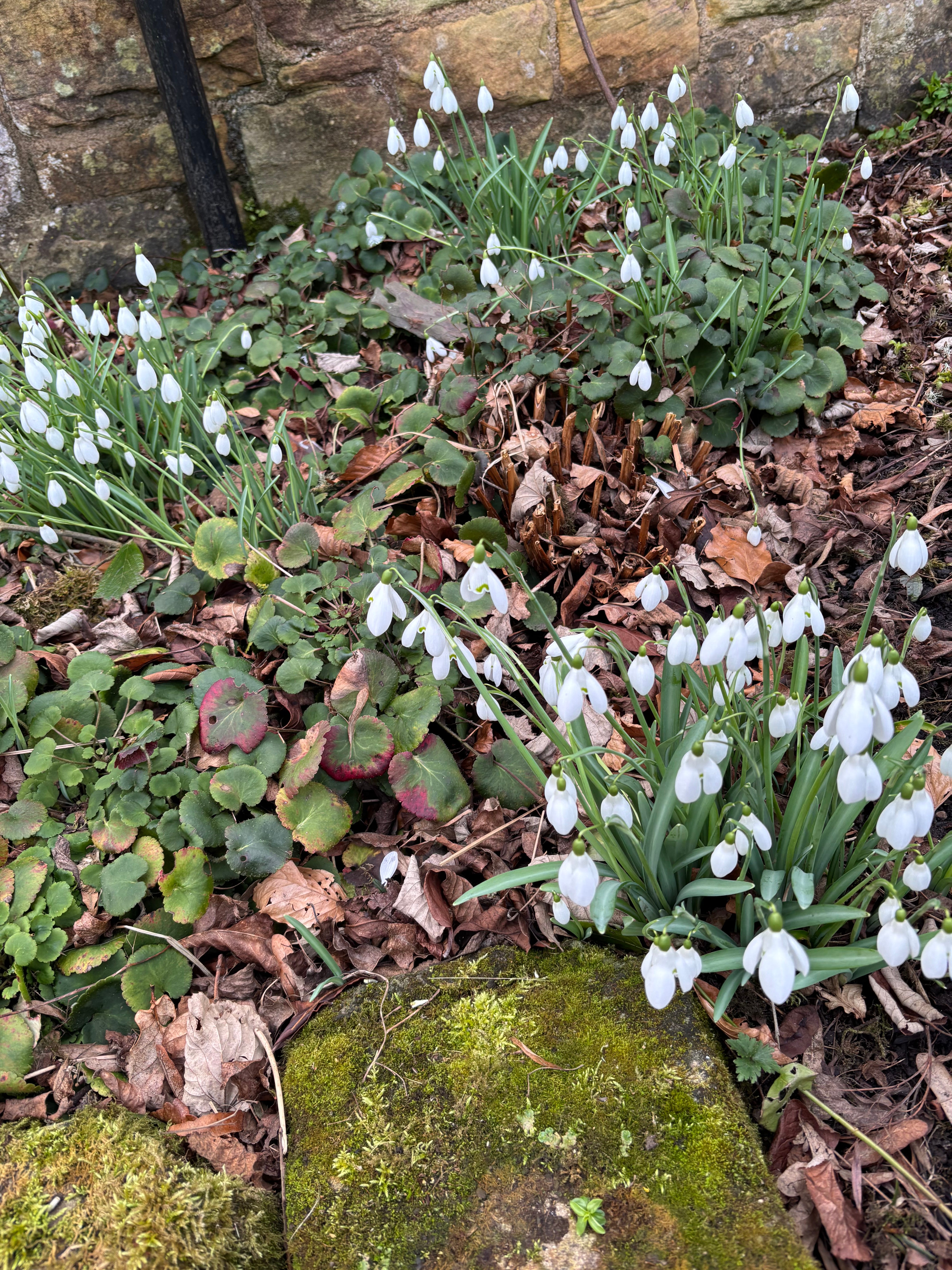
The kettle would be on, the chairs pulled into a circle, and time would, just for a while, stand still.
We’d sit and chat—about everything and nothing. I’d tell them how we’re all doing, my sister, my brother and me, that we’ve kept growing, just as they would have wanted.
We’d time travel to visit their now grown up grandchildren and be introduced to the great-grandchildren born after they were gone. In total acceptance the little ones would not realise that their great grandparents had been missing. The kids would engage them with their precious toys and showing them what they love doing. Mum and Dad would be delighted by the new little people in our family, laughing at the stories, marvelling at the family resemblances and personality traits.
We’d tell them how we’ve gently replanted parts of their world into ours. The snowdrops. The stories. The strength of family.
And what would I say to them? Not much, really. Nothing needed fixing or explaining. I’d just say: I love you. I miss you. I’d tell them they’re still with us, in so many ways. And I think they’d say what I already know: You’re doing fine. Look after each other. Be happy.
And when the afternoon came to a close, I wouldn’t want to say goodbye. I’d just want to linger in that space a little longer. They’d leave me knowing that love never truly leaves. It changes shape, perhaps. But it’s still here. In hugs remembered. In phrases recalled. In snowdrops reborn.
This went straight to my heart Aileen ❤️